


Latest news
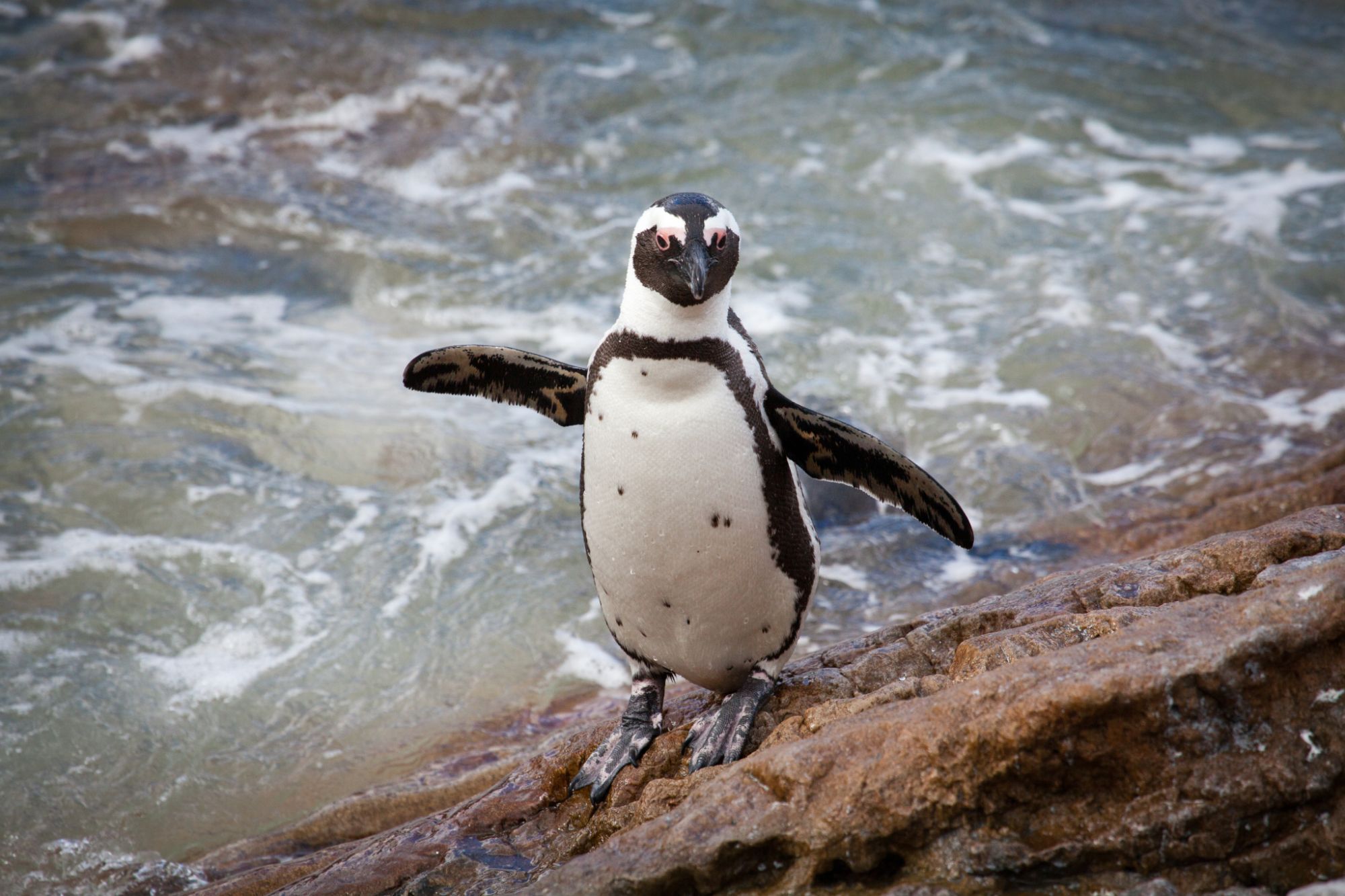
Penguin Palooza 2026 returns to Stony Point in support of African Penguin conservation
Stony Point in Betty’s Bay is one of the last known locations on Earth where African Penguins still breed on the mainland, and the species is under growing pressure. On Saturday, 7 November 2026, Penguin Palooza returns to Stony Point Nature Reserve, giving the public a chance to learn about the species and the work CapeNature, SANCCOB and other partners are doing to protect it.
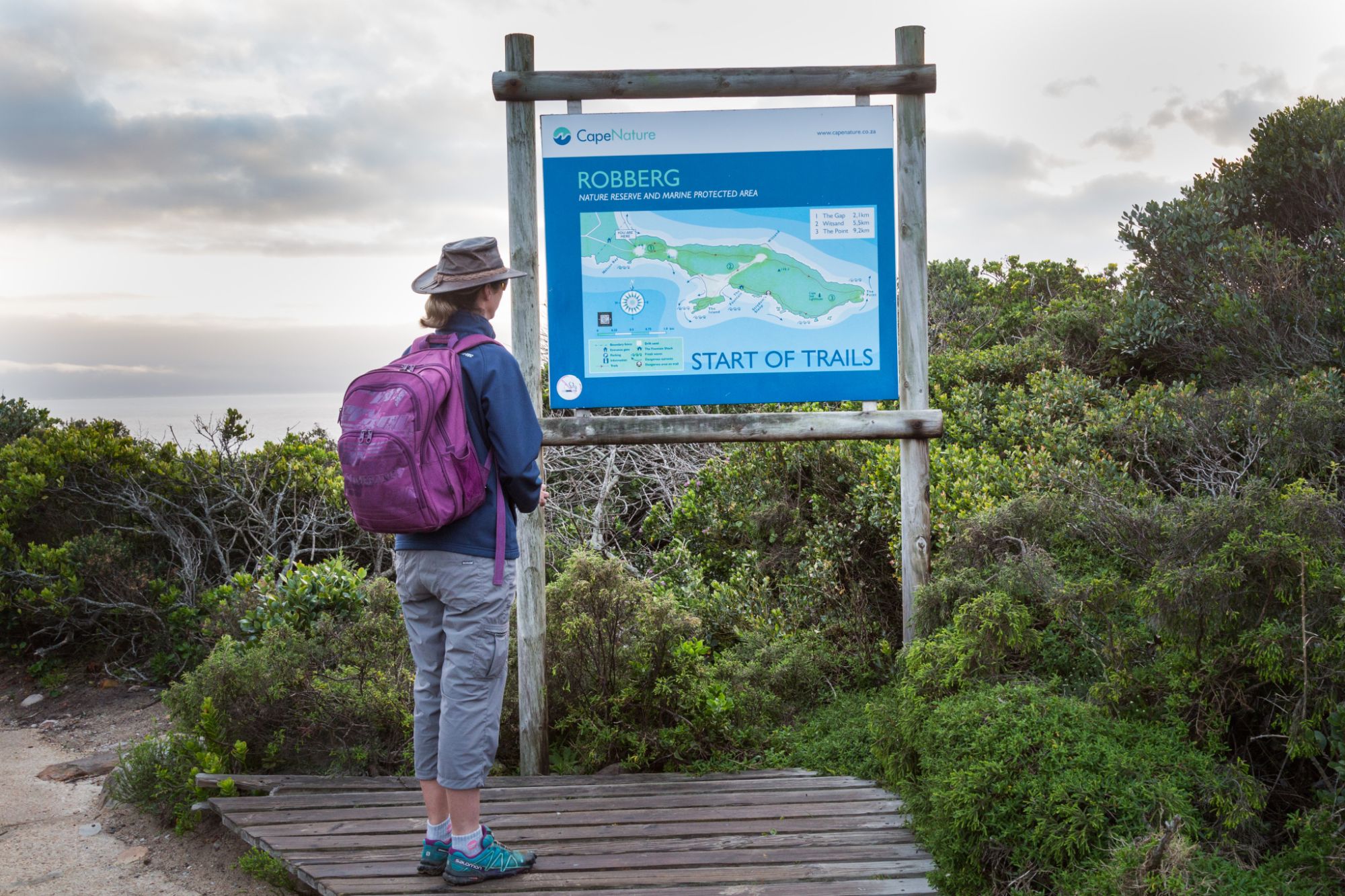
Robberg Nature Reserve named Best Outdoor Activity in 2026 Readers’ Choice Awards
Robberg Nature Reserve named Best Outdoor Activity in 2026 Readers’ Choice Awards. Robberg Nature Reserve has been named the Best Outdoor Activity in the Best of Knysna & Plett Readers’ Choice Awards 2026. The recognition follows months of nominations and voting by communities across Knysna, Plettenberg Bay and Sedgefield, making the award a meaningful reflection of the place Robberg holds in the local community.
CapeNature maintains clean audit record and expands the Western Cape’s Protected Areas
CapeNature's 2025/26 Annual Report shows the Entity added more than 44 000 hectares to the Western Cape conservation estate over the year. The additions extend protection across mountain catchments that feed the province's water supply, guarding them against the invasive plant growth and wildfire risk that threaten water security. Ultimately the protected areas expansion improves our ability to conserve the rich and unique Western Cape biodiversity.

WESSA recognises 62 Blue Flags and 19 Green Coast sites as South Africa marks 25 years of coastal stewardship
South Africa’s Blue Flag and Green Coast programmes are entering their next chapter with a renewed focus on environmental stewardship, inclusion, community participation and long-term coastal resilience, as WESSA, the Wildlife and Environment Society of South Africa, celebrates 25 years of Blue Flag in South Africa and its own centenary.

CapeNature visitors invited to support communities through new donation scheme
A visit to a CapeNature nature reserve can help a neighbour in need. From 5 October 2026, guests at three participating nature reserves can bring gently used clothing, blankets and other essential items for local non-profit organisations. The first phase of the donation scheme will run at Grootvadersbosch Nature Reserve near Heidelberg, Kogelberg Nature Reserve near Kleinmond, and Cederberg Wilderness Nature Reserve near Clanwilliam.
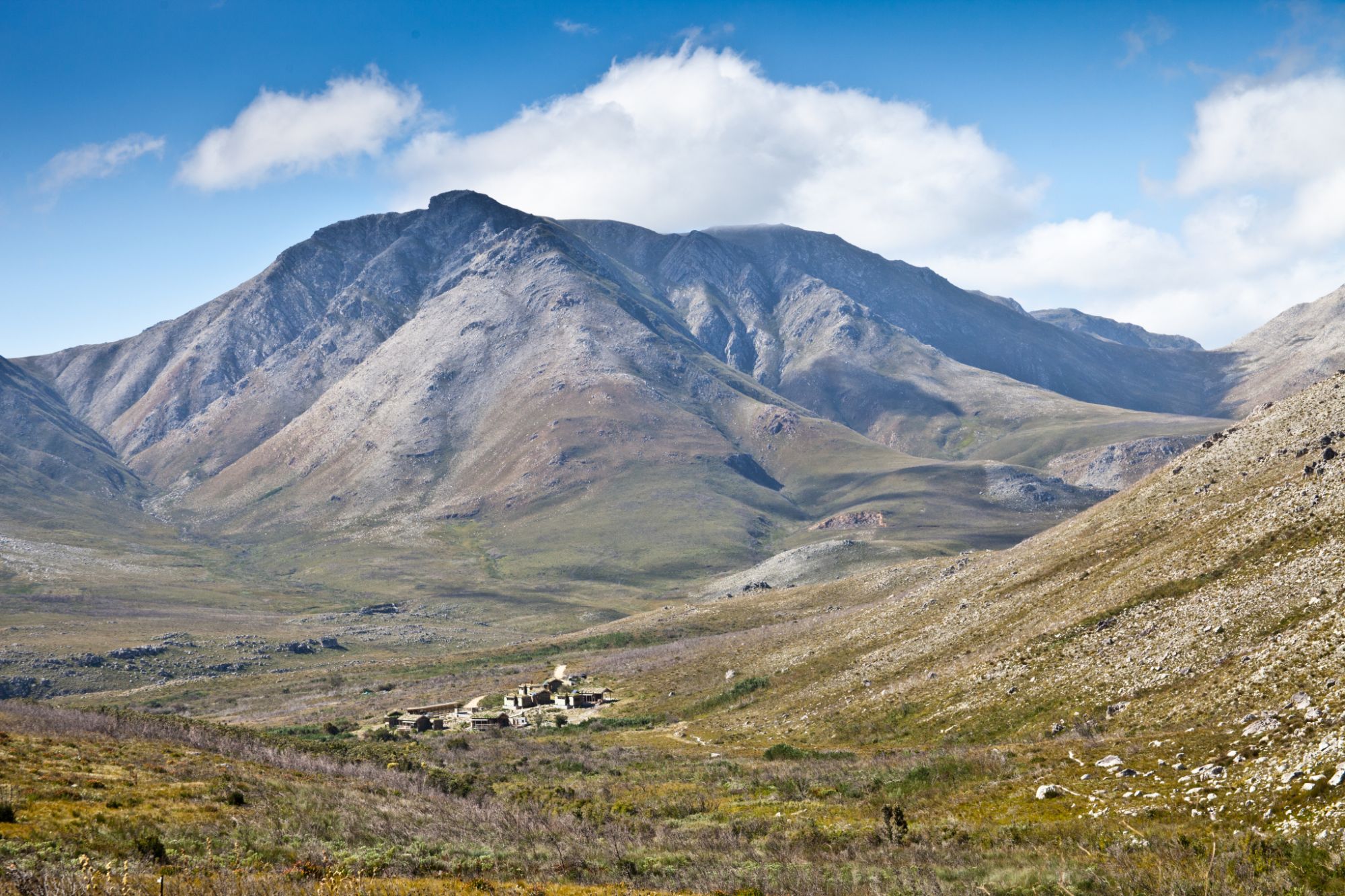
Radio network upgrade to strengthen emergency communication in Hangklip area
CapeNature and Overstrand Municipality will install a small radio repeater station near Hangklip Peak as part of an upgrade to the region’s radio communication network. The repeater will strengthen the communication networks used by both parties and improve coverage across the Overstrand municipal area, Kogelberg Nature Reserve, Betty’s Bay Marine Protected Area and parts of the City of Cape Town. Reliable radio communication is essential for the daily operations of
Conservation in action
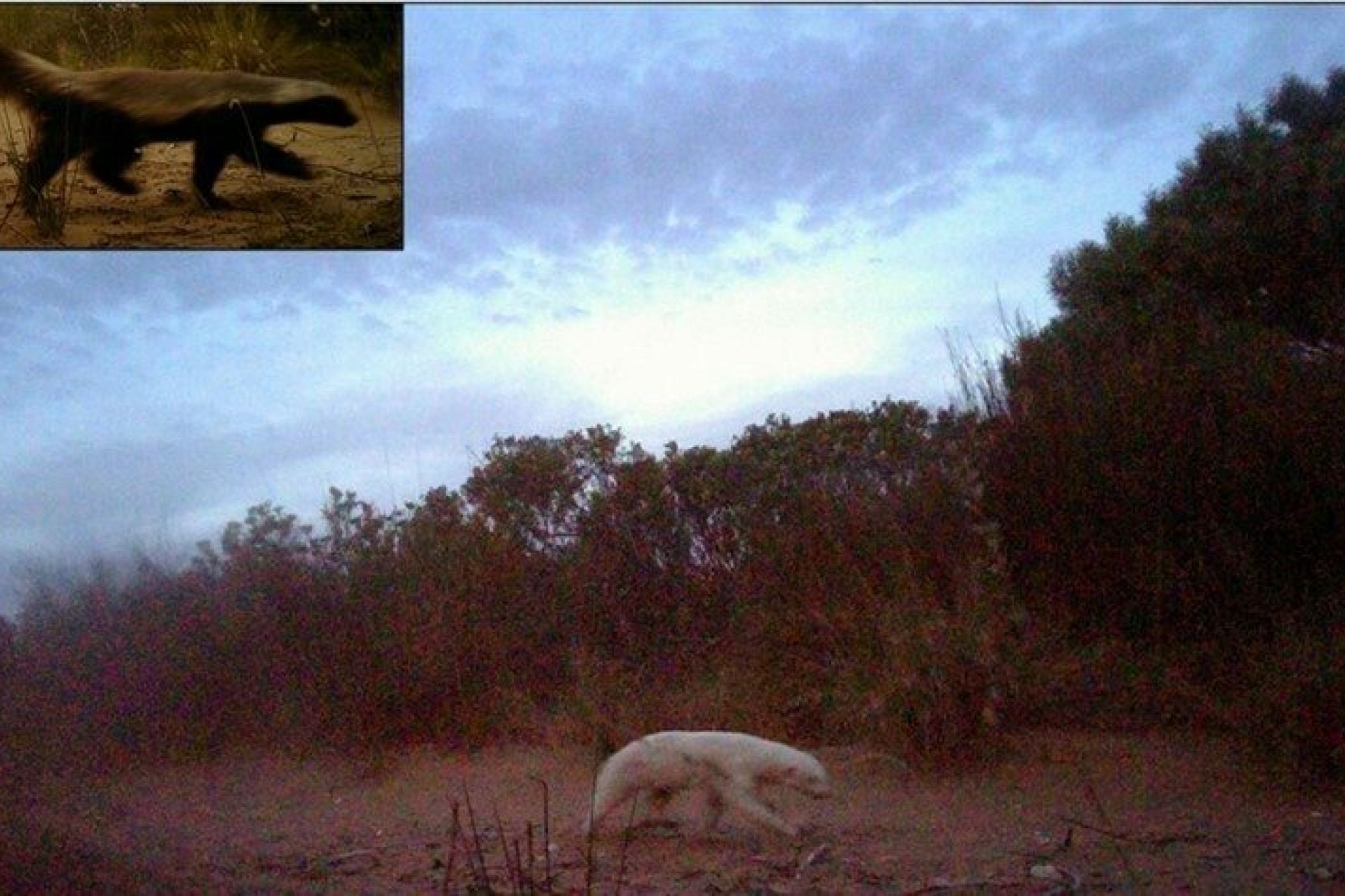
Albino Honey Badger Spotted at De Hoop
CapeNature granted BirdLife South Africa and Panthera a research permit to undertake a camera trap survey at De Hoop Nature Reserve. Among the images captured was an extremely rare albino honey badger (Mellivora capensis), which is the first record of this condition for this species in scientific literature
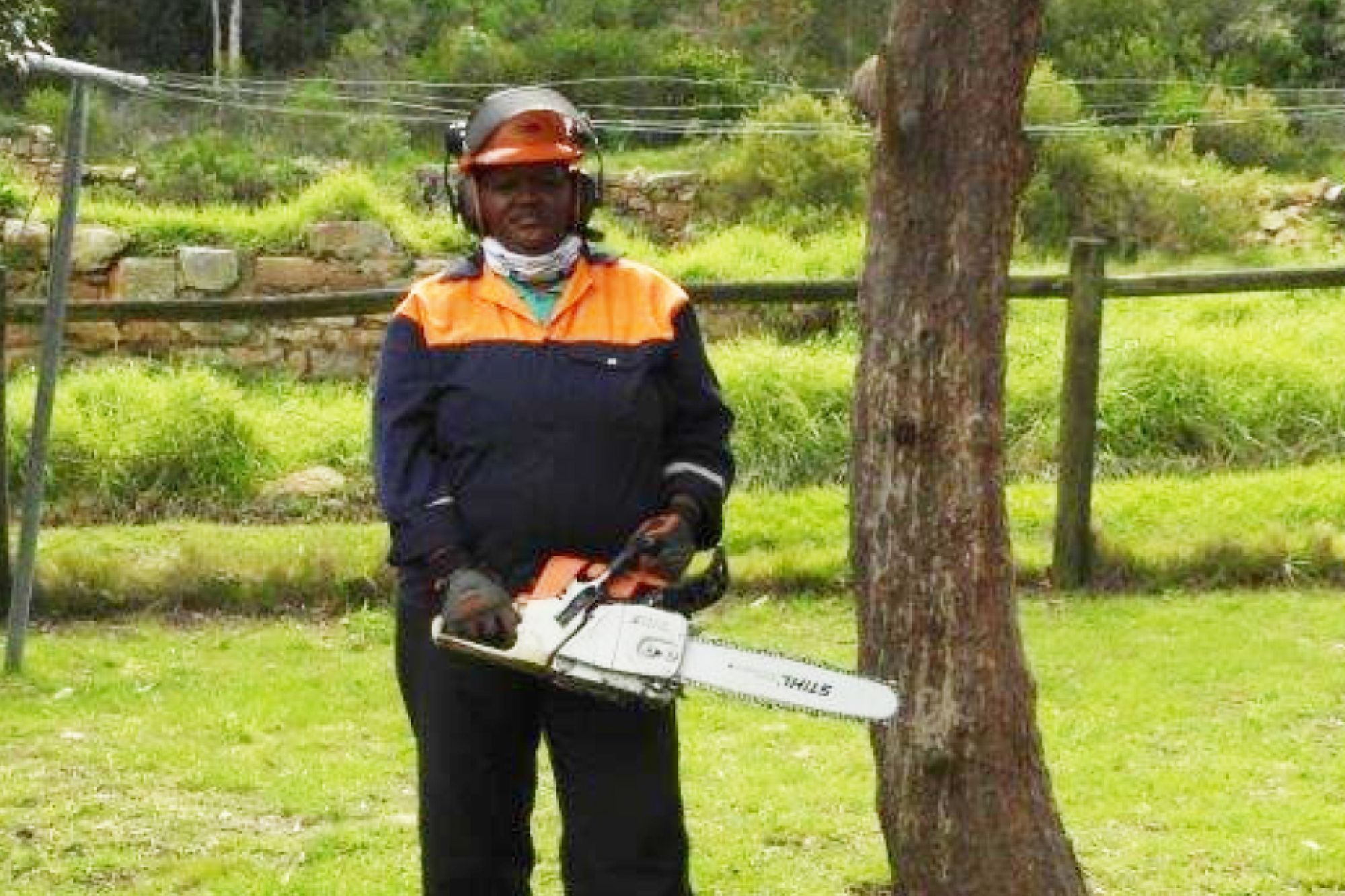
Celebrating gender equality in conservation
There is a number of women working at CapeNature in so-called non-conventional roles. The entity is known for creating an enabling environment where women employees can thrive and progress.
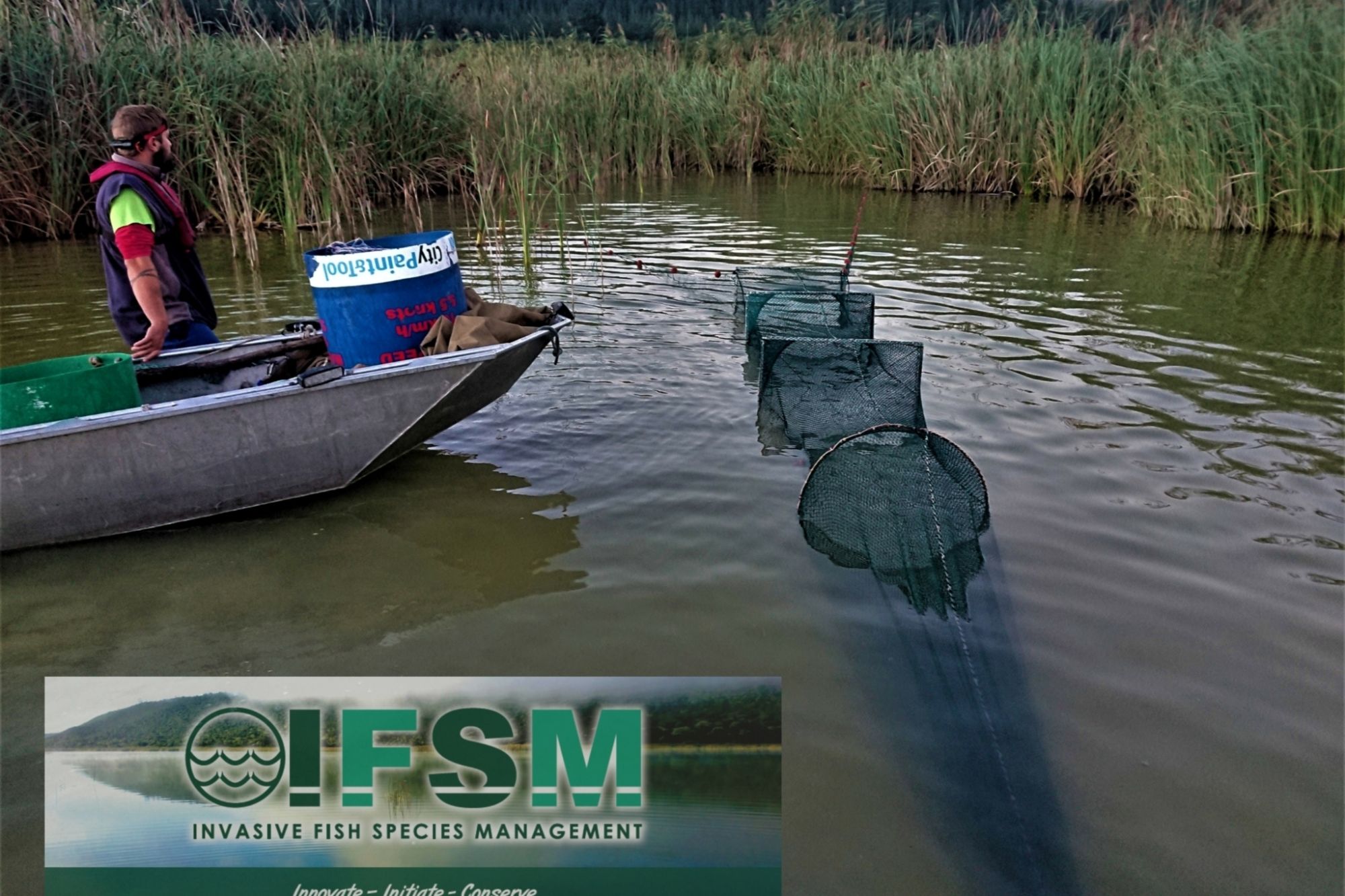
Groenvlei Carp Project
The Invasive Fish Species Management Non Profit Company (IFSM) consists of a group of volunteers that approached CapeNature in 2018 to remove invasive carp from Groenvlei lake by means of fishing bows.
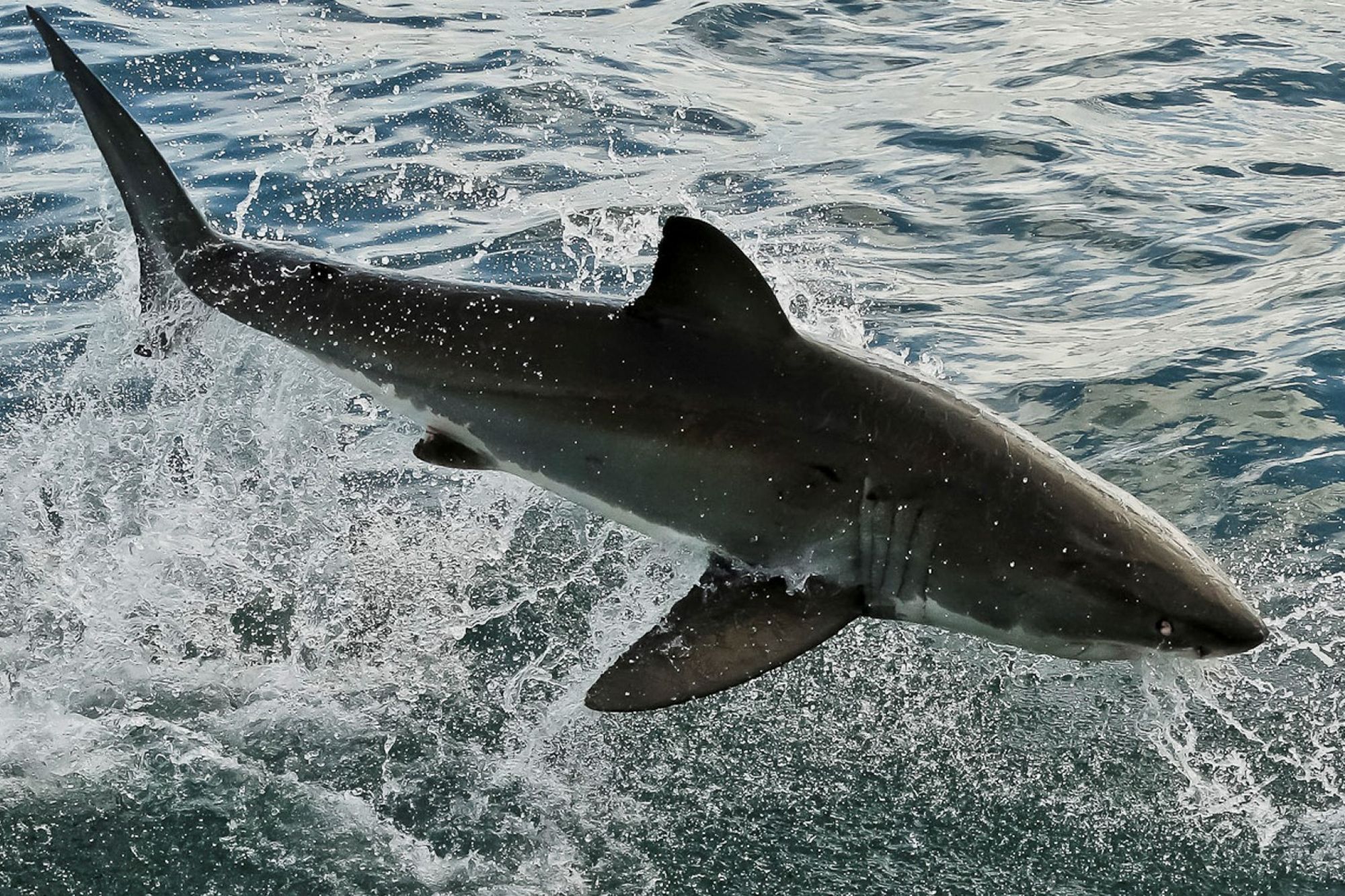
Monitoring the Great White Shark
The waters around Dyer Island are an important seasonal feeding ground for great white sharks. Researchers working through Dyer Island Conservation Trust have demonstrated a decrease in white shark sightings around the island since 2017.

Possibly extinct Brenton blue butterfly
Of the two localities at which it is known to have occurred, the Brenton blue butterfly is now extinct at one (Nature’s Valley) and possibly extinct at the other (the Brenton Blue Butterfly Reserve near Knysna).
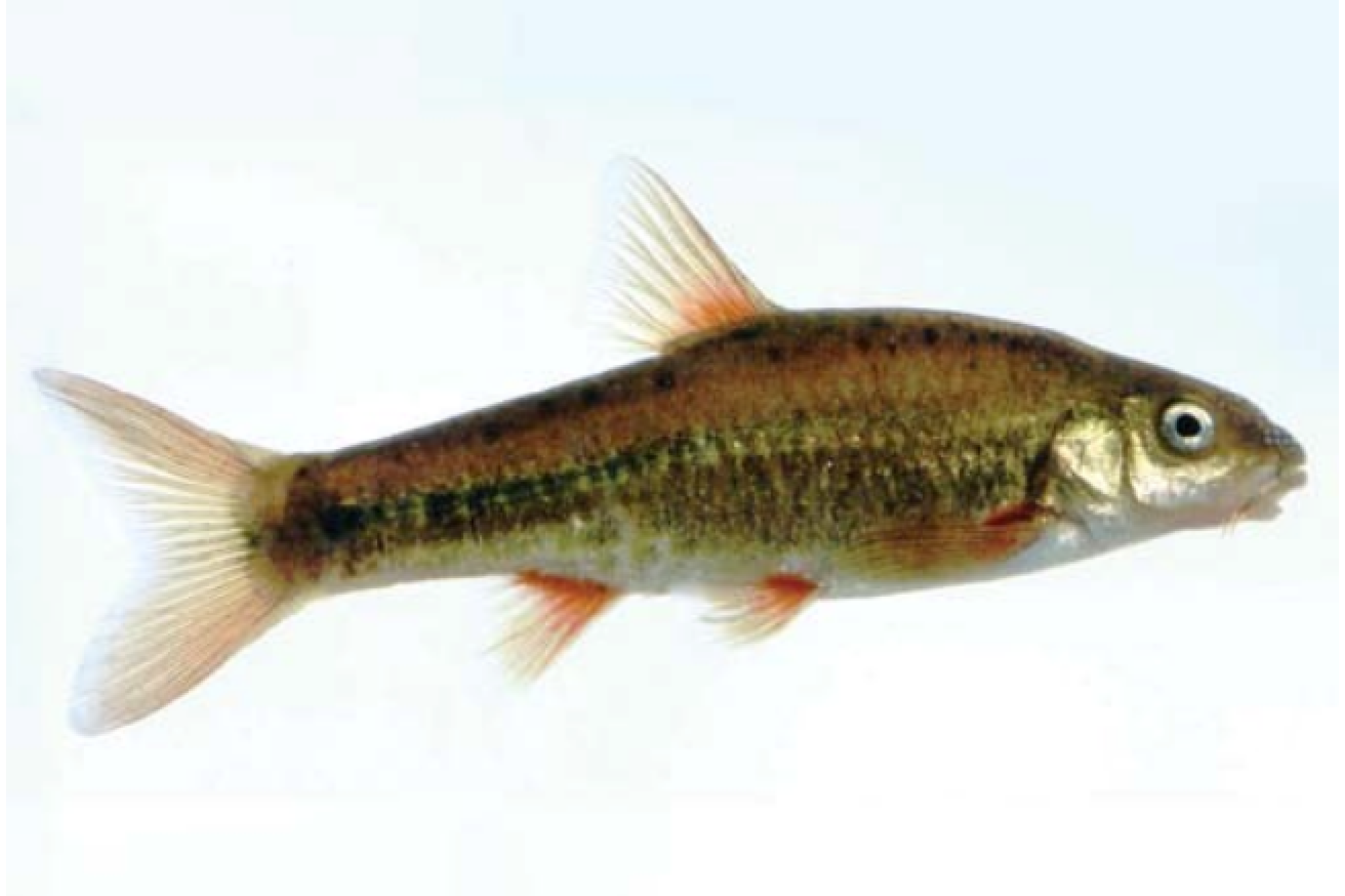
Conservation of Barrydale redfin
The tiny Critically Endangered Barrydale redfin, for example, is limited to just 40 km2 in the Tradouw catchment where it is threatened by water abstraction, pollution and alien fish.


Featured accommodation
Reviews
Featured reserves
Goukamma Nature Reserve
We recommend that you use a vehicle with a high ground clearance when traversing on reserve.
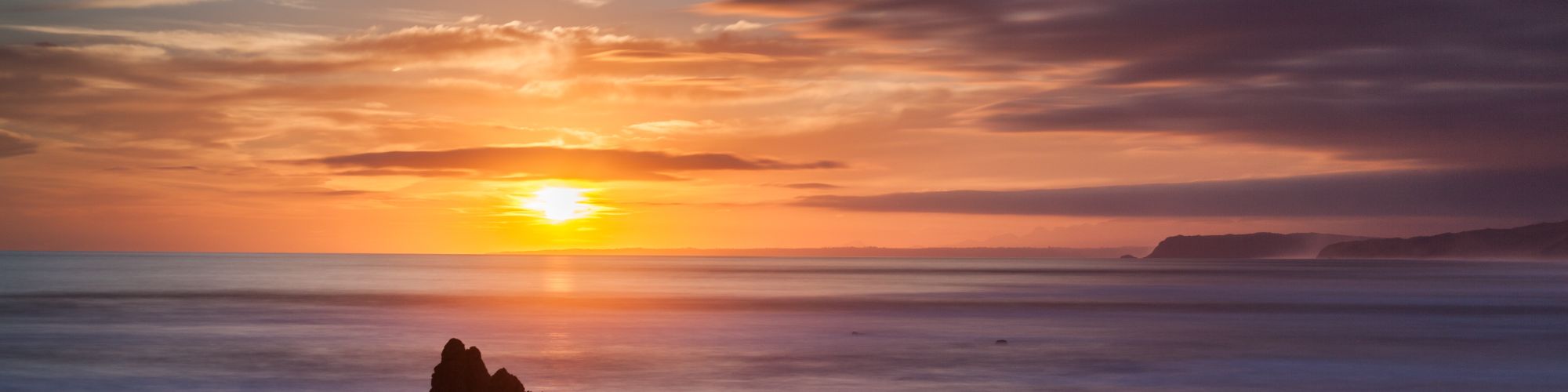
Goukamma Nature and Marine Reserve was proclaimed a marine protected area in 1990 and it is heralded as one of the country’s conservation success stories. The reserve stretches along 16.5km of the coastline between Buffalo Bay and Platbank, and 2 500 hectares inland.
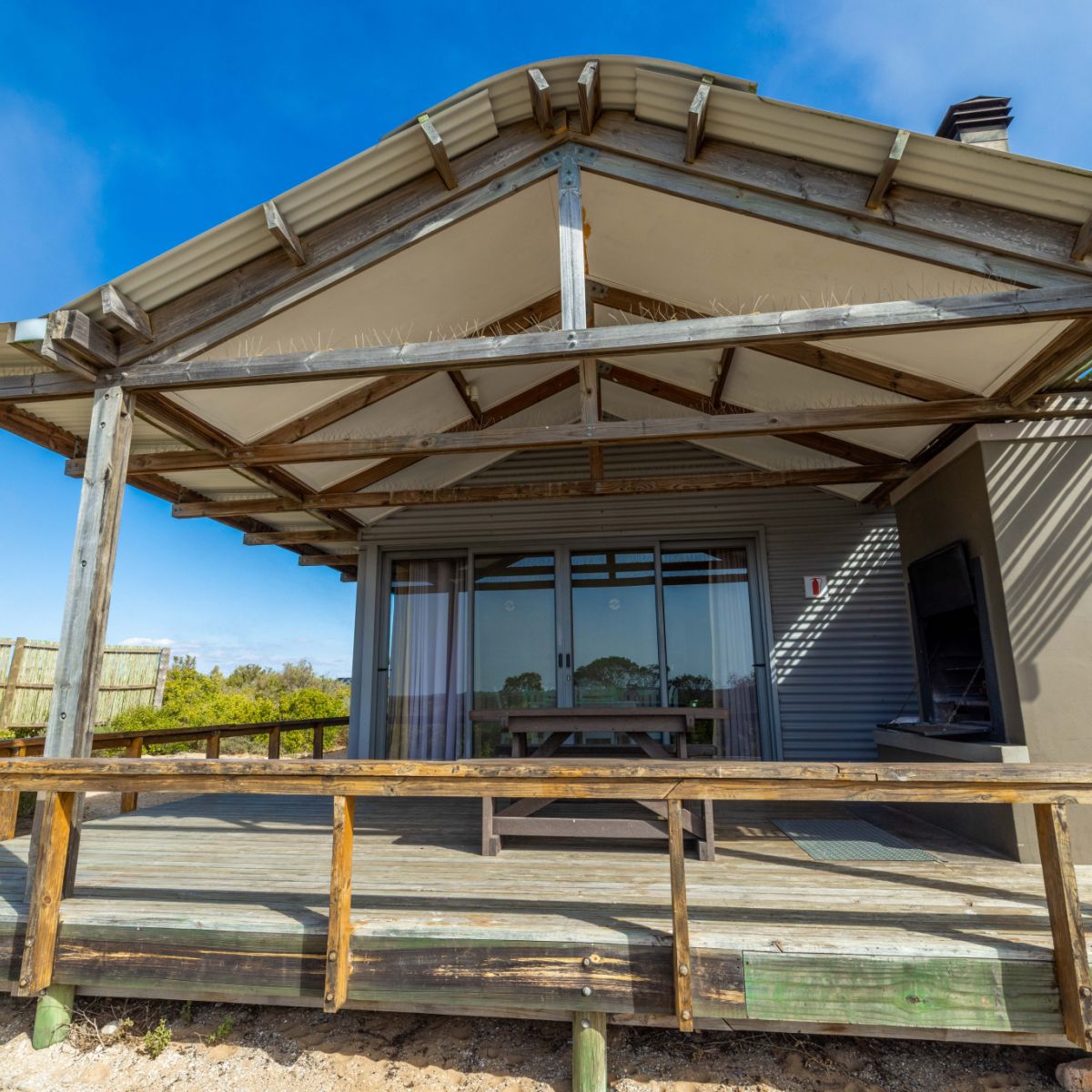
Buffalo Valley’s three self-catering timber lodges are fully equipped and sleep between four to six people.
Buffalo Valley is a large conservation area two kilometres from the warm Indian Ocean.
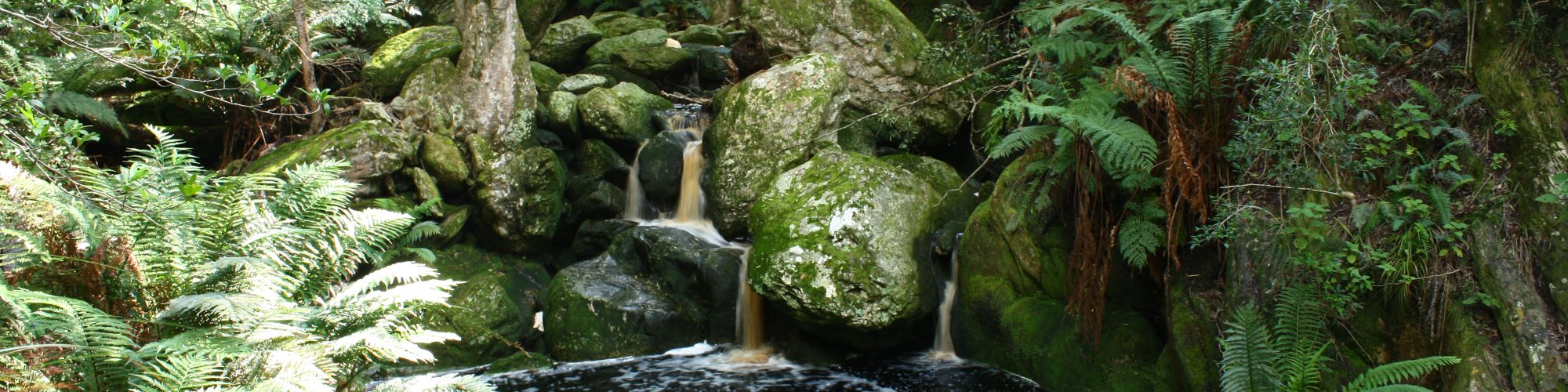
Marloth Nature Reserve
Marloth Nature Reserve is hidden away in the imposing Swellendam Mountains, between Swellendam, Ashton, Barrydale and Suurbraak. The peaceful reserve, which is 14 123 hectares in size, is managed together with 16 532 hectares of privately owned land, and is a World Heritage Site.